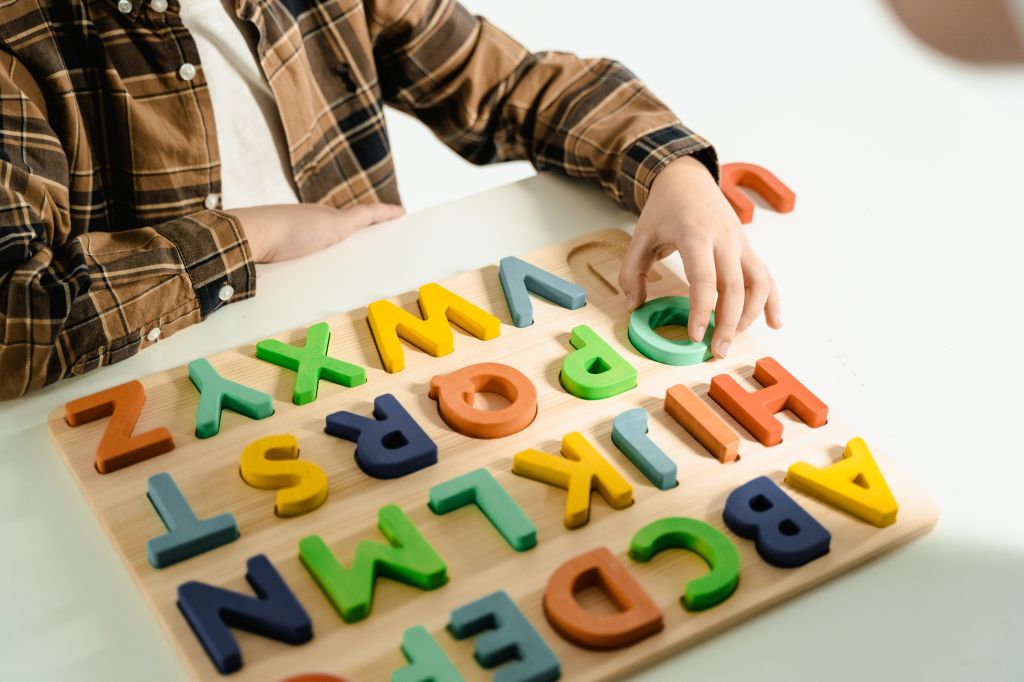
My own daughter is twenty-one months old, and somewhere over the past year, without a single flashcard or formal lesson, she picked up the entire alphabet song. She’d heard it so many times, in so many little versions, that it simply settled into her the way a favorite lullaby does. She still doesn’t know what most of those letters look like on a page. But the shape of the song is hers now, completely.
That’s repetition doing exactly what it’s meant to do, and it’s worth understanding, because a lot of parents notice something similar and worry it means the opposite. A child can sing the alphabet perfectly and still stare blankly at the letter on a cereal box. That’s not a contradiction. It’s just where they are. Letters take repeated exposure before a child can truly recognize them, not just hear them, and that part comes a little later, a little slower, and it’s completely normal.
Here’s the part worth sitting with, though. Repetition gets a bad reputation because it’s so often confused with doing the exact same thing over and over. A worksheet with the same letter drilled twenty times in a row isn’t really repetition in the way a child’s brain benefits from it. It’s just tedium, and tedium is exactly what makes kids start avoiding the very thing you want them to enjoy.
Real repetition works best with variety sewn through it. The letter stays the same, but the way a child meets it keeps changing. One day they might trace it with a finger in a tray of sand. Another day it’s hidden somewhere around the living room for a quick hunt. Sometimes it’s built out of playdough, or filled in with a handful of pom poms, or found buried in a busy picture. None of it feels like repeating a task, even though underneath it, the same letter is quietly being reinforced again and again.
That’s really the whole trick. A child who meets the letter B five different ways this week isn’t bored by B. They’re building a relationship with it, from five different angles, and that relationship is what recognition is actually made of.
Every child needs a different amount of this before it sticks, and that’s fine too. Some children need to meet a letter a handful of times before it’s familiar. Others need dozens of gentle encounters spread across weeks. Neither pace says anything about how bright a child is. What matters far more than speed is whether the whole thing feels relaxed rather than pressured, because a child who feels safe trying again is a child who actually will.
So if your child already knows the alphabet song by heart and nothing more yet, there’s nothing to worry about. The letters are on their way in, one playful encounter at a time, and repetition, the gentle, varied kind, is exactly what gets them there.
If you’re looking for simple, no-prep ways to bring this kind of playful repetition into your week, my printable activity packs for ages 3 to 6 are built with exactly this in mind.
 Little Step Printables | Early Literacy Tips from a Teacher Mum
Leave a comment