I remember a mum telling me she’d been scrolling late one night and landed on a video of a two year old reciting the entire alphabet in a sing song voice, perfectly, on cue. She closed the app, looked over at her own three year old asleep down the hall, and felt a small knot of panic settle in. He didn’t know his letters yet. Should he already?
I hear some version of that worry constantly, and it almost always comes from the same place: a feed full of toddlers performing skills, stacked against one real child who is simply living their own timeline. So let’s set it down clearly. There is no single correct age when a child must start learning the alphabet. Children pick up language and literacy at genuinely different speeds, and the healthiest approach follows a child’s readiness rather than a calendar.
For most children, an interest in letters starts to show up somewhere between three and five. Around this age, kids naturally grow curious about the symbols and signs filling their world, the letters on a cereal box, the sign outside a shop, the first letter of their own name. At this stage, the goal was never mastery. It’s simply familiarity, letters starting to feel like old friends rather than strangers.
What that actually looks like day to day is smaller than people expect. A child might recognize the first letter of their name on a cubby or a birthday card. They might point at a letter on a sign and ask what it says. They might start noticing that two letters look almost the same, or attempt to trace one with a finger in the air. None of these moments look impressive from the outside, but each one is a real, meaningful step toward reading.
You’ll usually see a few signs when a child is genuinely ready to start exploring letters more. They tend to love looking at books and pictures already. They start asking questions about letters unprompted. They notice print in the world around them without being told to look for it. They try to imitate writing, even if what comes out is closer to scribbling. And they show curiosity about their own name specifically, since a child’s name is almost always the first set of letters that means something personal to them. When you start noticing these signs, that’s a lovely moment to introduce letters a little more intentionally.
And if none of that is happening yet, that’s genuinely fine too. Plenty of children spend this stretch of early childhood deep in language and storytelling, pretend play, building, movement, figuring out how the physical world works. All of it is real learning, and in a lot of cases, strong language skills and a love of books develop well before a child cares much about the alphabet at all. There’s no clock running here. Letting a child arrive at curiosity in their own time tends to work far better than trying to manufacture it early.
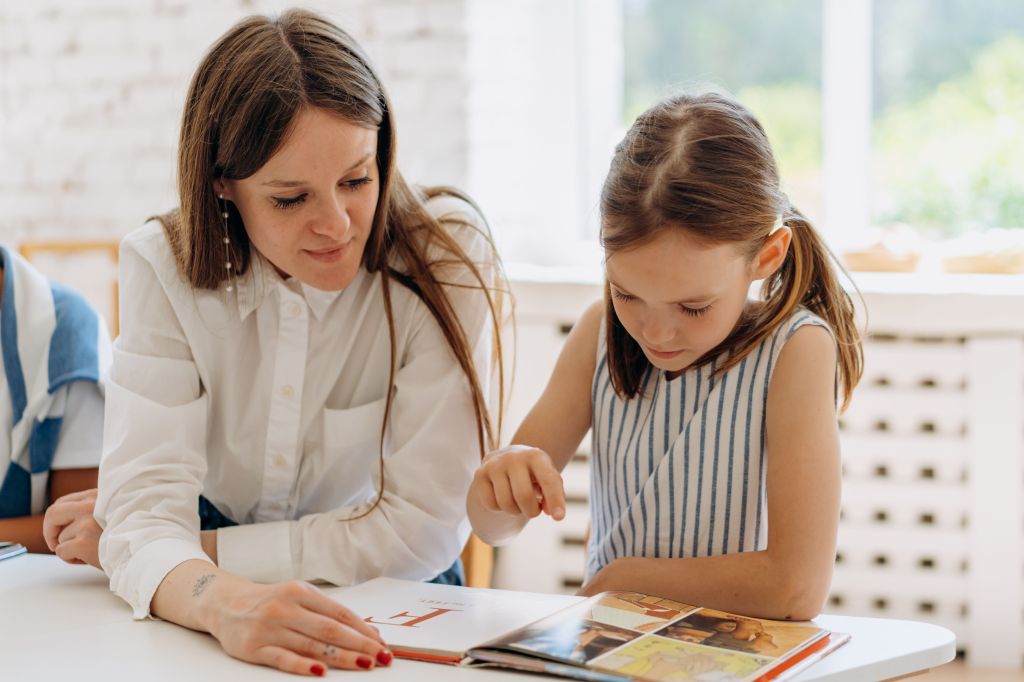
When a child does seem ready, the gentlest path in is play, not instruction. Reading alphabet books together works well, simply because it puts letters in front of a child without asking anything of them. Pointing out letters you both notice out in the world, on a sign, a label, a familiar logo, does the same thing quietly. Letter matching games, puzzles, magnetic letters on the fridge, all of it turns letters into something to touch and move rather than something to memorize. And when a child does start wanting to trace or draw a letter themselves, that’s worth welcoming, but it should follow their interest rather than lead it. Short, relaxed moments beat long structured sessions every time. Children learn best when the whole thing still feels like play.
If there’s one thing worth holding onto through all of this, it’s that alphabet learning is only ever one small step inside a much bigger picture of early literacy. A child doesn’t need to know the whole alphabet at once, and they certainly don’t need to feel any pressure around it. The most useful thing a parent, teacher, or caregiver can do is simply keep letters present and low stakes, in books, in conversation, in the everyday print all around a child, and let curiosity do the rest. When learning feels comfortable rather than urgent, it tends to happen quietly, one small step at a time, exactly the way it’s supposed to.
If you’re looking for simple, low pressure ways to bring letters into everyday play, my printable activity packs for ages 3 to 6 are built with exactly this stage in mind.
When Should My Child Start Learning the Alphabet?
 Little Step Printables | Early Literacy Tips from a Teacher Mum
Leave a comment